
Owensboro, KY
Garage Door Cable Repair for Owensboro Homes
Snapped or frayed garage door cables are common in Owensboro's 1960s-2000s housing stock. Here's how the failure shows up, what you can safely check, and what drives the cost.
How It Shows Up
A cable problem rarely announces itself the way a broken spring does. You won't hear the bang. Instead the door starts going up crooked, dropping faster on one side than the other, or one bottom corner hangs lower than the rest when it's down.
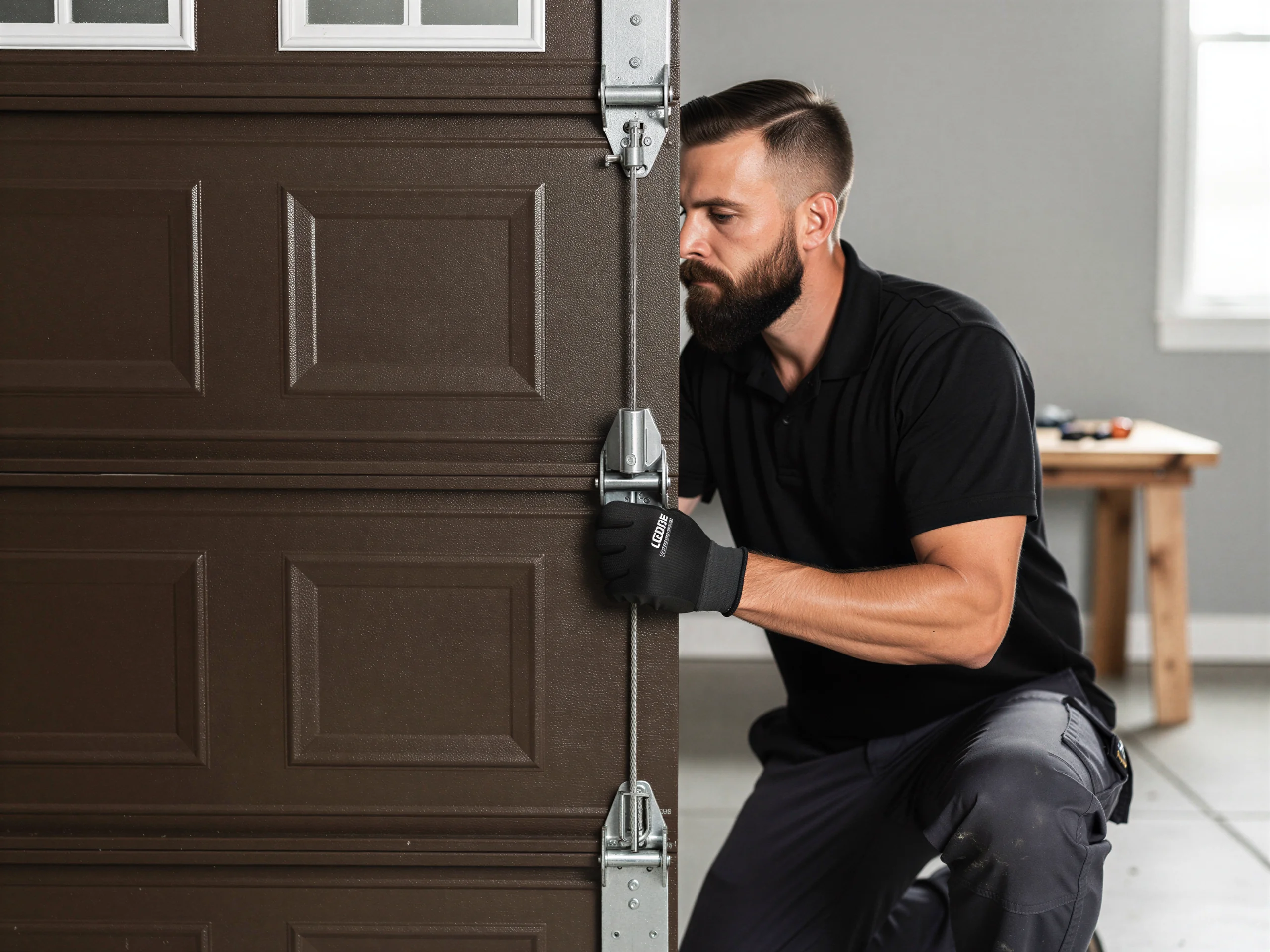
Frayed or jumped cable
Sometimes you'll spot a few strands of frayed wire curling off the drum at the top of the track, or the cable has jumped off the drum entirely and is bunched up loose.
Uneven cable racks panel
On a double door especially, an uneven cable makes the whole panel rack sideways in the tracks, which is how a cable issue turns into a bent track if it sits too long. If the door won't move at all and the opener just hums, that's often a cable that's come off one side and jammed the drum, not the opener itself failing.
Drum-end cable wear
Most of the service area is 1960s-70s construction, and doors from that era run drum-and-cable setups on torsion or extension springs that have had decades of open-close cycles to wear the cable thin at the drum end. That's the spot that fails first, nine times out of ten.
Doing It Yourself
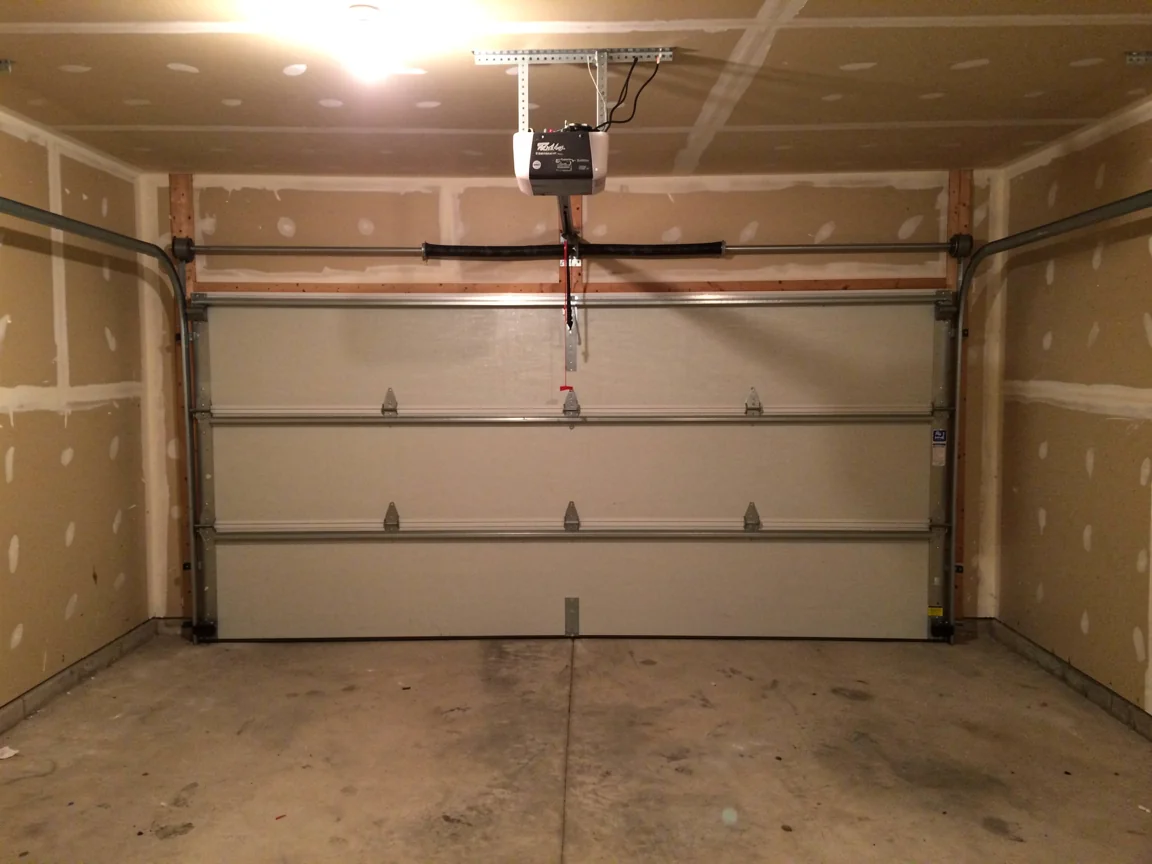
You can look, but don't pull. With the opener disconnected and the door down, check whether both cables are seated in their drum grooves evenly and look for fraying near the bottom roller bracket - that's as far as a homeowner should go. These cables hold the full weight of the door under spring tension, and a cable that lets go while someone's hands are near the drum can take a finger with it. If one side has jumped the drum, leave the door down, don't force the opener, and don't cut the slack cable thinking that'll free it up. The honest limit here: once a cable is frayed or off the drum, there's no adjustment or lubricant that fixes it - the cable gets replaced, and on most doors we replace both sides together since the other one is the same age and under the same load.
Why It Happens Here
Housing across this service area was mostly built between 1962 and 2008, with the median closer to 1976, and the three main neighborhoods that make up most of the stock are solidly 1960s-70s construction.
Aged original cables
Doors installed or replaced during that build-out are old enough now that original cables are well past a normal service life, and a lot of these homes have never had the cable swapped even if the opener or springs were updated along the way.
Freeze-thaw brittleness
The cold-moderate climate here matters too - cables that sit in an unheated garage through repeated freeze-thaw cycles get brittle at the drum end faster than they would somewhere that doesn't swing temperature the way this region does.
Drum end failure point
Combine decades-old original hardware with that seasonal stress and the drum end of the cable is the predictable failure point. This isn't a defect in any one door; it's what happens when a neighborhood's garage doors all hit the same age window at once.
What You Pay
Cable repair cost depends on a few things we check before quoting: whether it's one cable or both, whether the drum or track took damage from the door running crooked, and whether the springs are original to the door or already replaced. A straightforward two-cable swap on a door that hasn't damaged anything else is a different job than one where a jammed drum also bent the track or chewed up a roller bracket. We give you the number after we've actually looked at the door, not before, because quoting a cable job over the phone means guessing at damage we haven't seen yet.
Questions
Common questions
Can I drive on the door if one cable looks frayed?
No. A frayed cable under spring tension can snap without warning, and when it does the door can drop hard or swing off-track. Leave the door down, keep the opener disconnected, and call it in rather than running the door even once more.
Why did both my cables fail around the same time?
Most homes in this area have doors and hardware from the same build era, so both cables see the same number of open-close cycles and the same years of freeze-thaw stress. When one wears out at the drum, the other is usually close behind, which is why we typically replace them as a pair.
Is a cable repair different from a spring repair?
Yes. Springs store the lifting force; cables transfer that force to the bottom of the door. A broken spring usually makes a loud bang and the door won't lift. A cable issue usually shows up as the door running crooked or hanging unevenly, with the opener still trying to work.
Explore more
Explore More Services In Owensboro, KY
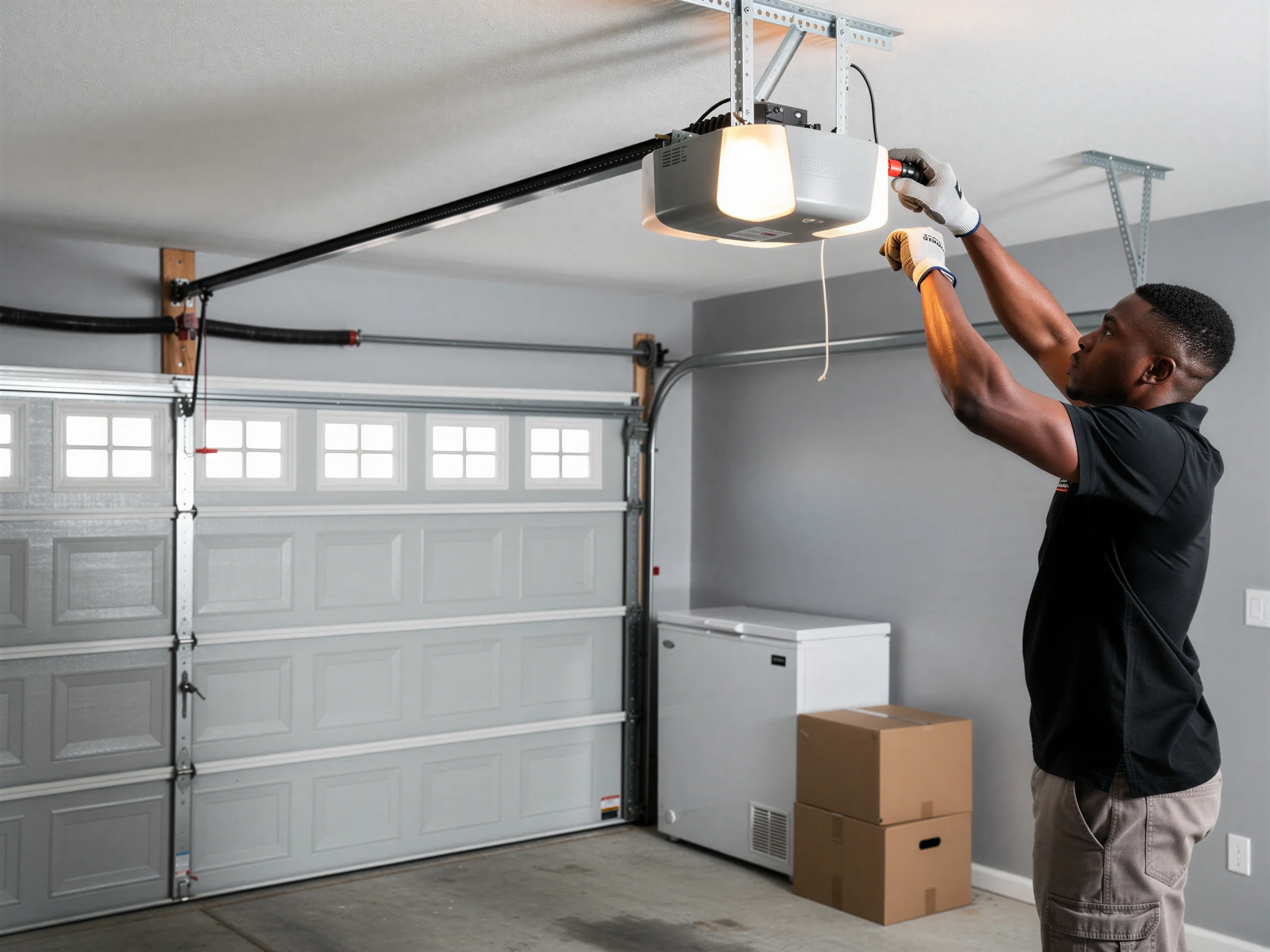
Garage Door Opener Installation for Owensboro Homes
Opener installation for Owensboro homes built mostly between 1962 and 2008, matched to cold-climate loads and the service area's mix of chain, belt, and older screw-drive setups. Learn more →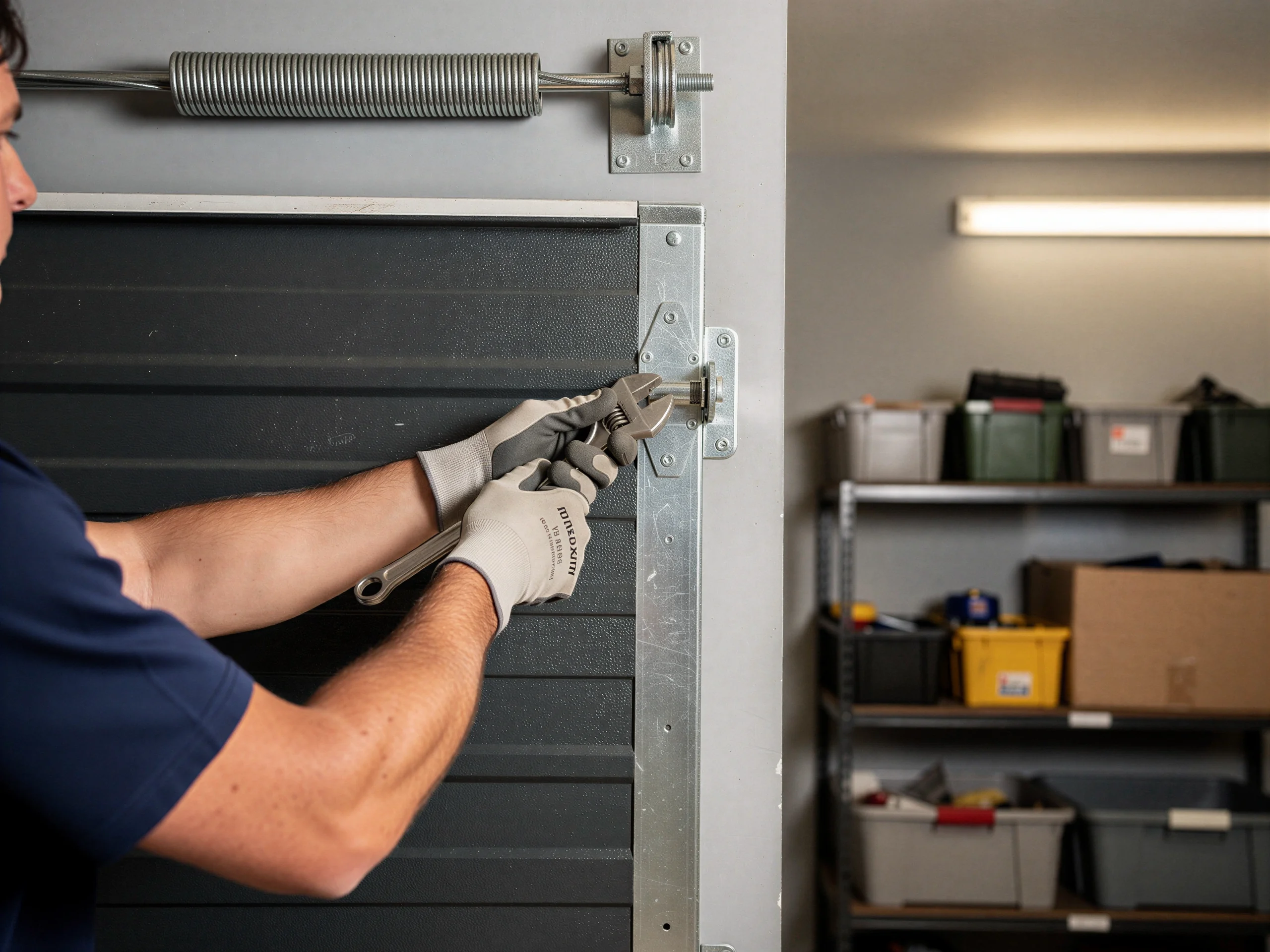
Garage Door Maintenance in Owensboro
Garage door maintenance for Owensboro homes built between 1962 and 2008, where original hardware and cold winters wear springs, rollers, and openers fast. Learn more →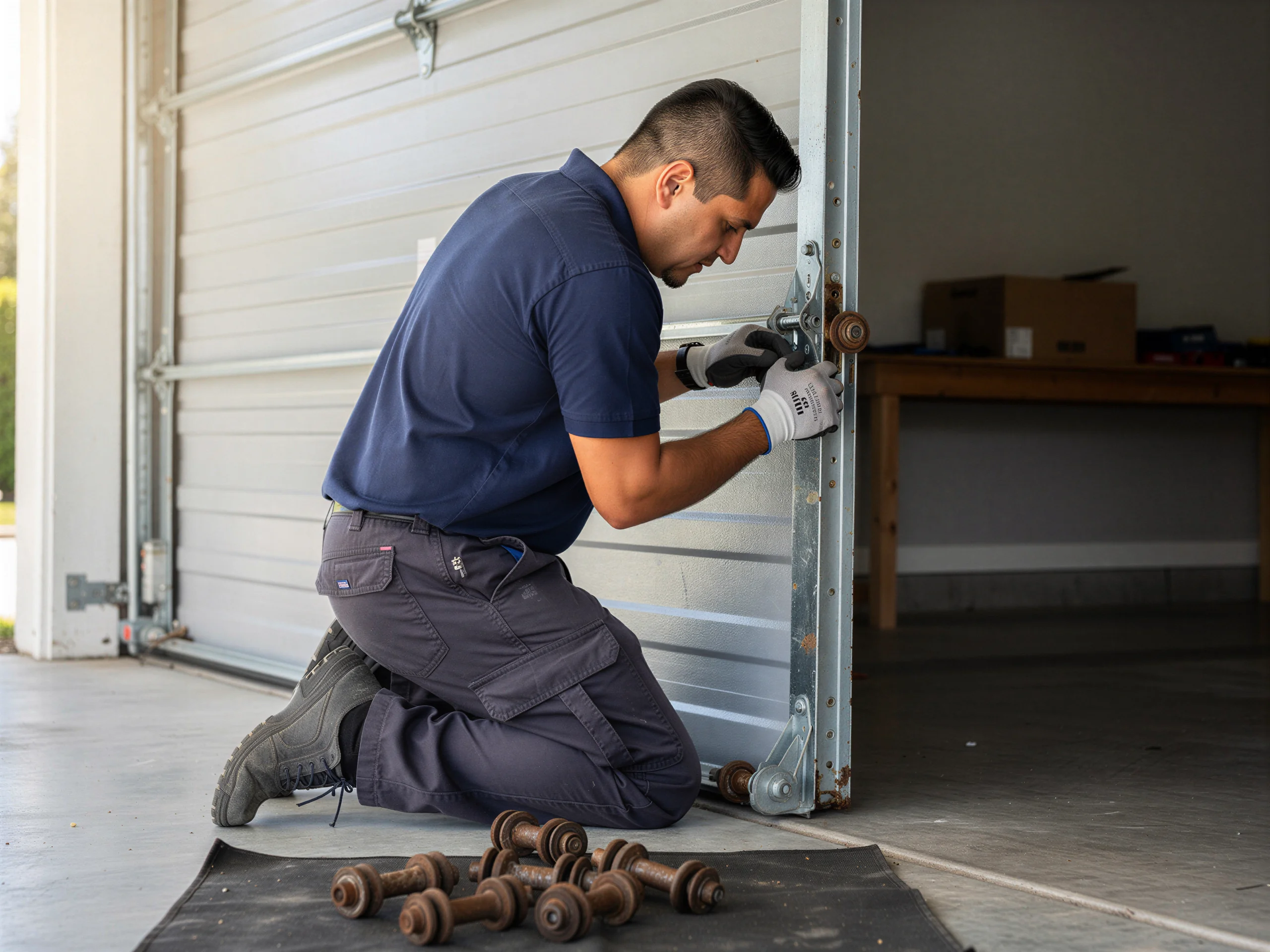
Garage Door Roller Replacement in Owensboro
Worn rollers on Owensboro's 1960s-2000s housing stock bind, jump track, and bang in cold weather. Learn more →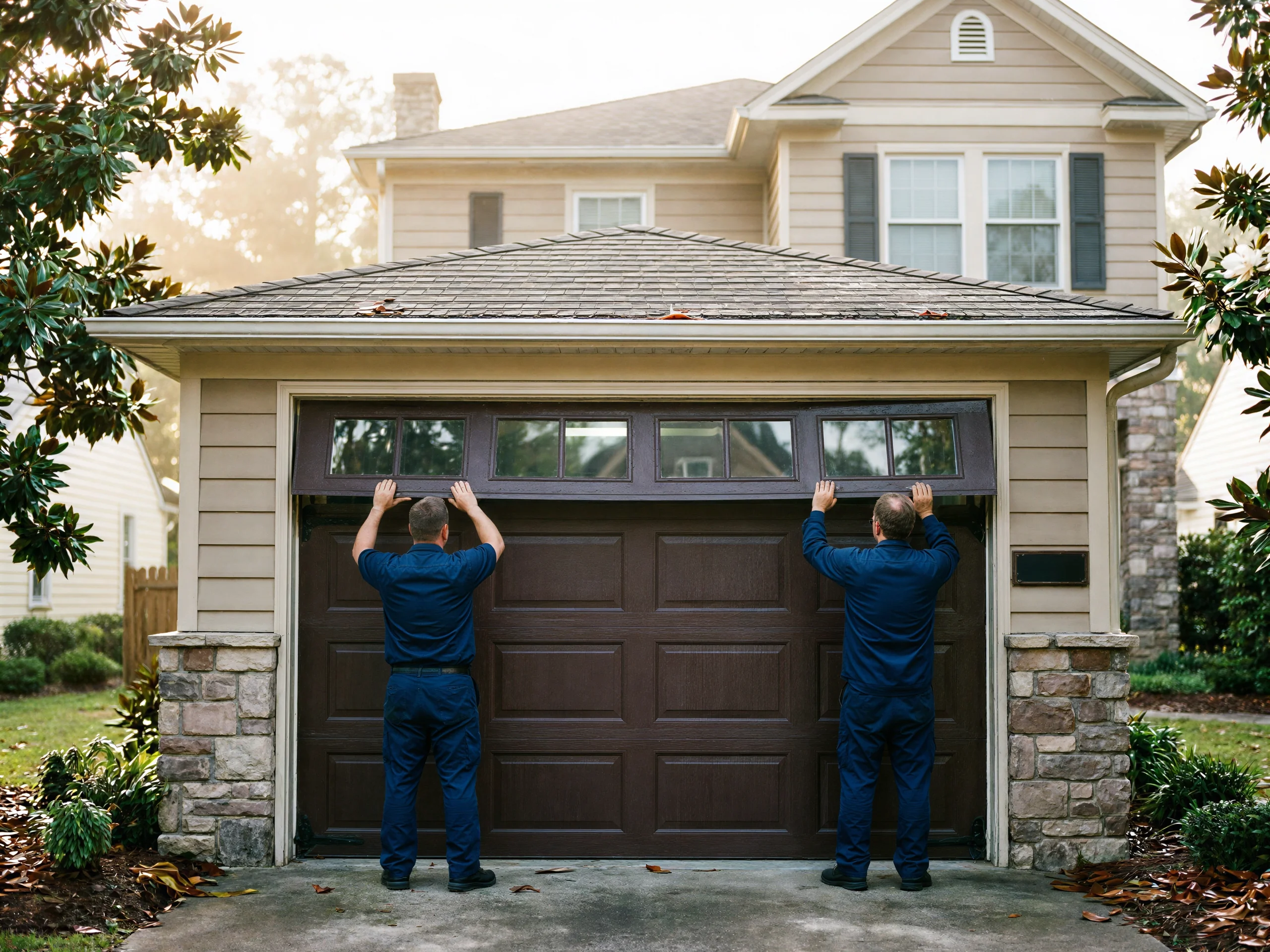
Garage Door Installation for Owensboro Homes
New garage door installation in Owensboro, KY for homes built 1962-2008, sized right for this area's cold winters and aging housing stock near Masonville. Learn more →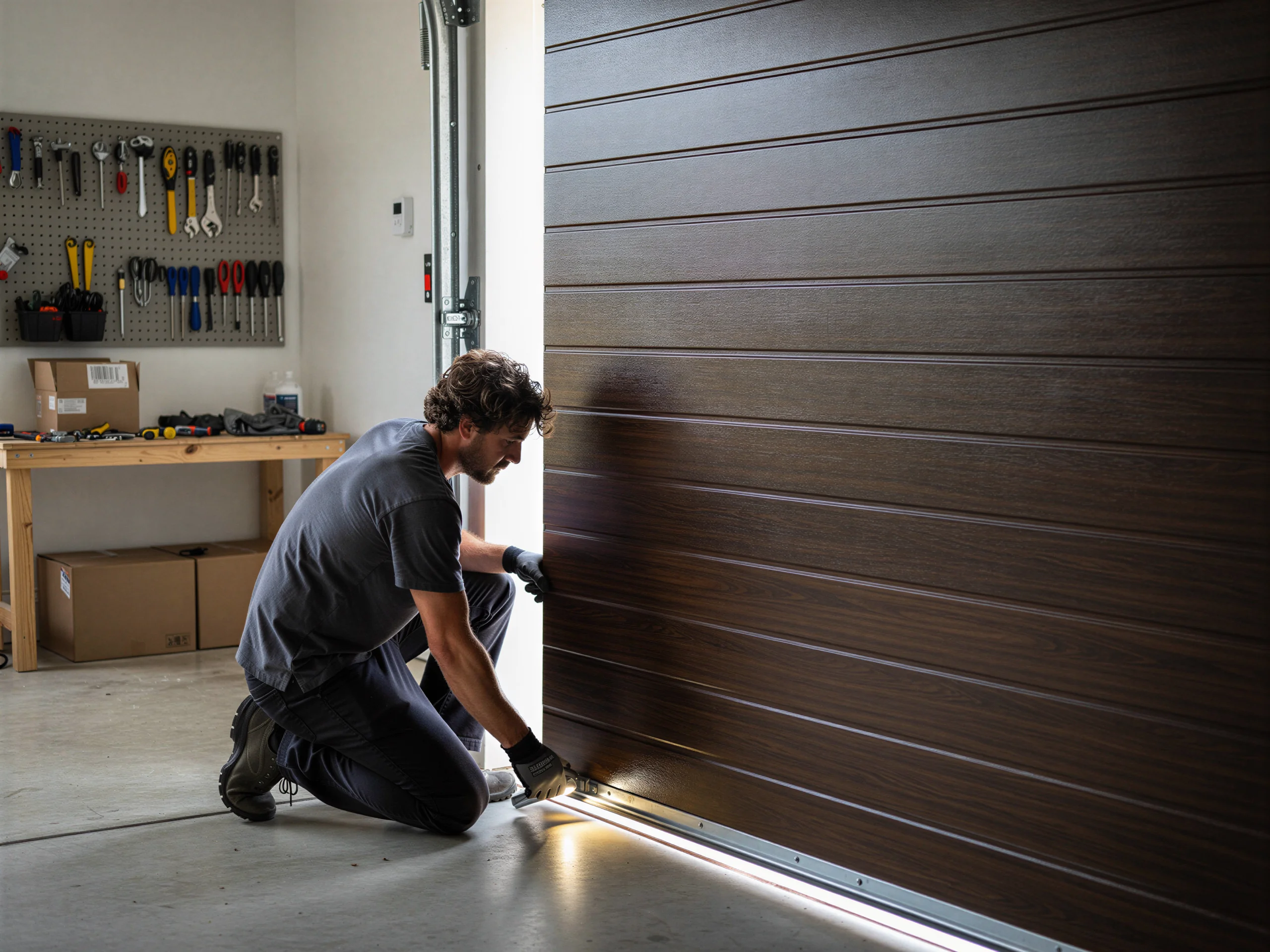
Fixing Garage Doors in Owensboro's 1960s-2000s Homes
Garage door repair in Owensboro, KY for homes built mostly between 1962 and 2008. Learn more →
Garage Door Service Built Around Owensboro's Housing Stock
Garage door service for Owensboro's 1960s-2000s housing stock - spring, track, and opener calls tied to the cold-climate swings this area sees each winter. Learn more →Ready when you are
Snapped garage door cable in Owensboro?
Owensboro Garage Door Pros repairs and installs garage doors, springs and openers in Owensboro, KY and the surrounding area.