
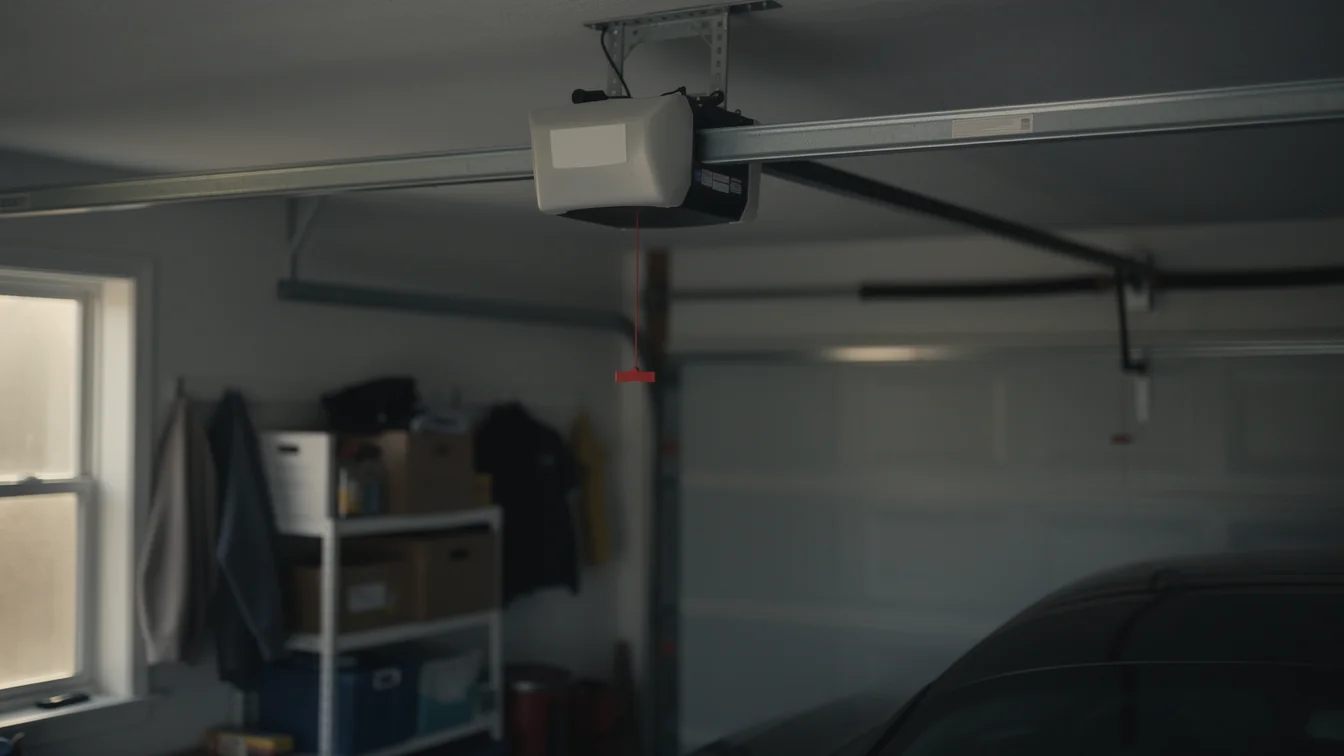
What Owensboro's Older Openers Do When the Power Cuts Out
Most Owensboro homes carry openers from the 1962-2008 building years, and this area's cold winters make power-cut failures worse.
Read moreWhy Owensboro's 1960s-70s housing stock and cold winters push torsion springs to fail now, and what actually drives the repair cost for these older doors.
Local detail
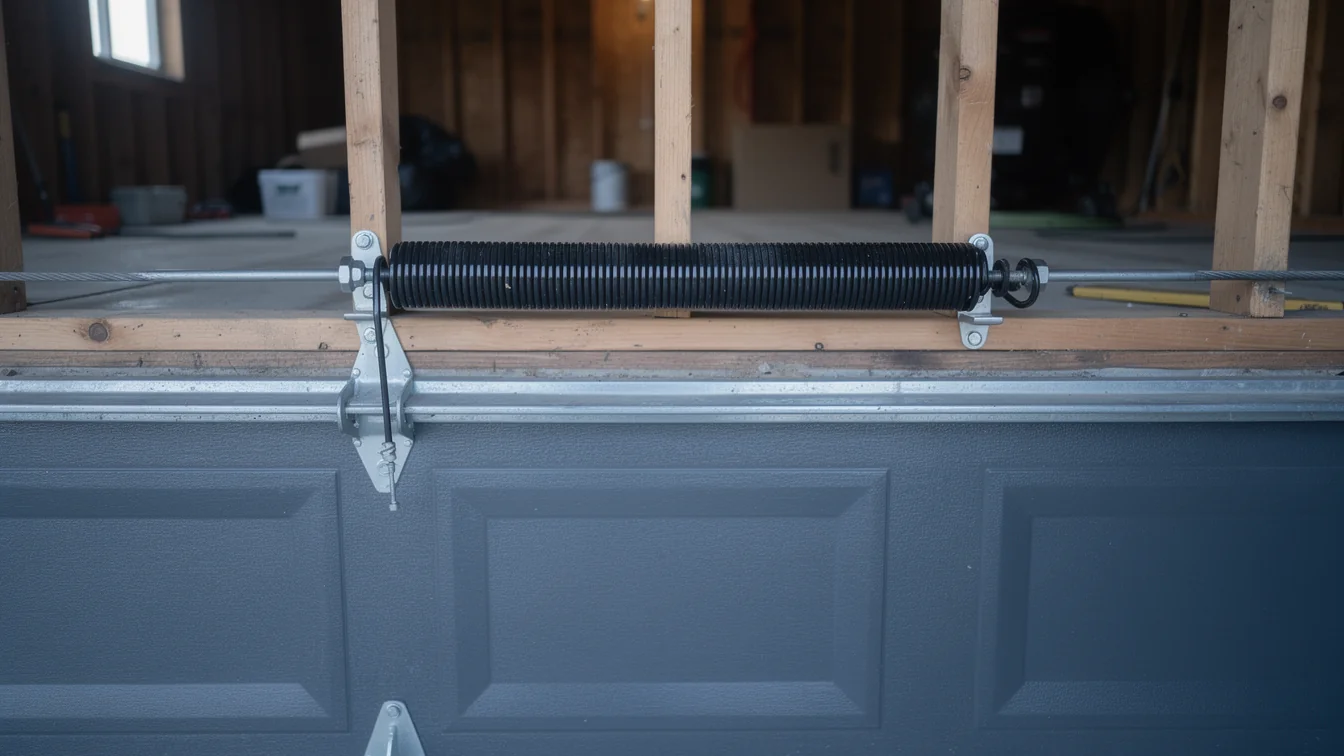
The mistake we see most in Owensboro is treating a stiff, slow-moving door as a lubrication problem when it's actually a spring on its way out. Most houses in this service area were built between 1962 and 2008, with the bulk of the stock dating to the 1960s and 70s across the three main areas we work in. That means a lot of original or first-replacement torsion springs are now 30, 40, even 50 years into a job they were never built to do forever. When the door starts grinding or hesitates at the top of the track, people reach for spray lubricant and call it fixed. The spring doesn't care about lubricant. Steel fatigues the same whether it's oiled or not, and a spring that's already lost coil tension from decades of cycling is going to let go eventually - usually on the one morning it's coldest outside, because cold steel is less forgiving of the last bit of flex it has left. Catching the warning signs early - a door that drifts down on its own, a loud bang from the garage at night, visible gaps in the spring coils - means a scheduled repair instead of a door stuck shut with the car trapped inside on a 20-degree morning.
The area
What drives the bill on a spring job in this area isn't the spring itself, it's what's attached to it. A door built in the 1970s often runs different cable gauge, different drum sizes, and sometimes a center bearing plate that newer doors don't use. If your door hasn't been touched since the house was built, the tech may be sourcing a size that doesn't show up on a standard truck stock list, and that adds a trip or a short wait. We don't carry every obsolete bracket for every era of door - that's a real limit, and we'd rather tell you that up front than pretend otherwise. What keeps the job simple and keeps the cost down is a door that's had at least one spring swap already, since that usually means standard modern hardware is already in place. The age of your door matters more to the final number than the age of your house.
What we find
Steel contracts in the cold, and a torsion spring that's already worn thin loses whatever give it had left right when the temperature drops. In a climate band like ours - cold with moderate swings through the year - that stress happens over and over, every winter, on the same coils. A spring rated for a certain number of cycles doesn't fail gradually and give you warning for weeks; it holds right up until it doesn't, and in our experience that final break clusters on the coldest mornings of the season, not the mild ones. For a house built in the 60s or 70s that's still running its second or even original spring, each cold snap is one more full-load cycle on metal that's already fatigued. The door doesn't know the calendar date, but it does know the temperature, and a 20-something-degree morning is exactly when the last bit of coil tension gives out.
How we work
Owensboro's cold-moderate winters put real stress on garage door hardware, but the bigger factor is what's behind the hardware: a housing stock concentrated in the 1960s and 70s, with roughly 1,390 owner-occupied houses across this service area still carrying doors and springs sized to that era's standards. A door that age wasn't engineered with today's steel tolerances or coating, so cold makes brittle metal more brittle, not less. We see this pattern most in the three main areas of older homes we work in regularly - it's not random, it's the age of the stock meeting the season. None of this means every old door is about to fail. It means the ones that are due for a spring replacement anyway are the ones most likely to pick a cold week to do it on their own terms instead of yours.
Questions
Cold steel has less give left in it, and if your spring is already worn from decades of use - common in houses built in the 1960s-70s era that make up most of this area - the last bit of flex disappears right when the temperature drops. The break itself isn't caused by cold alone, it's the cold finishing off a spring that was already near the end.
Yes, often more than the age of the spring itself. Houses from the 1962-2008 build range sometimes have drums, cables, or center brackets sized differently than today's standard parts, which can mean sourcing time instead of a straight swap. A door that's already had hardware updated once is usually a quicker job.
A broken torsion spring means the door has no safe way to hold its own weight, cold season or not. Waiting doesn't fix anything and leaves the opener straining against full load every time it's used, which risks damaging the opener too.
If the door itself is original to a 60s or 70s build and has outdated track, hinges, or a non-standard spring size, sometimes replacing the whole door costs about the same as patching old hardware repeatedly. It depends on what's actually on the door, not just the spring.
Recommendation
More garage door guides for Owensboro homeowners.
Most Owensboro homes carry openers from the 1962-2008 building years, and this area's cold winters make power-cut failures worse.
Read more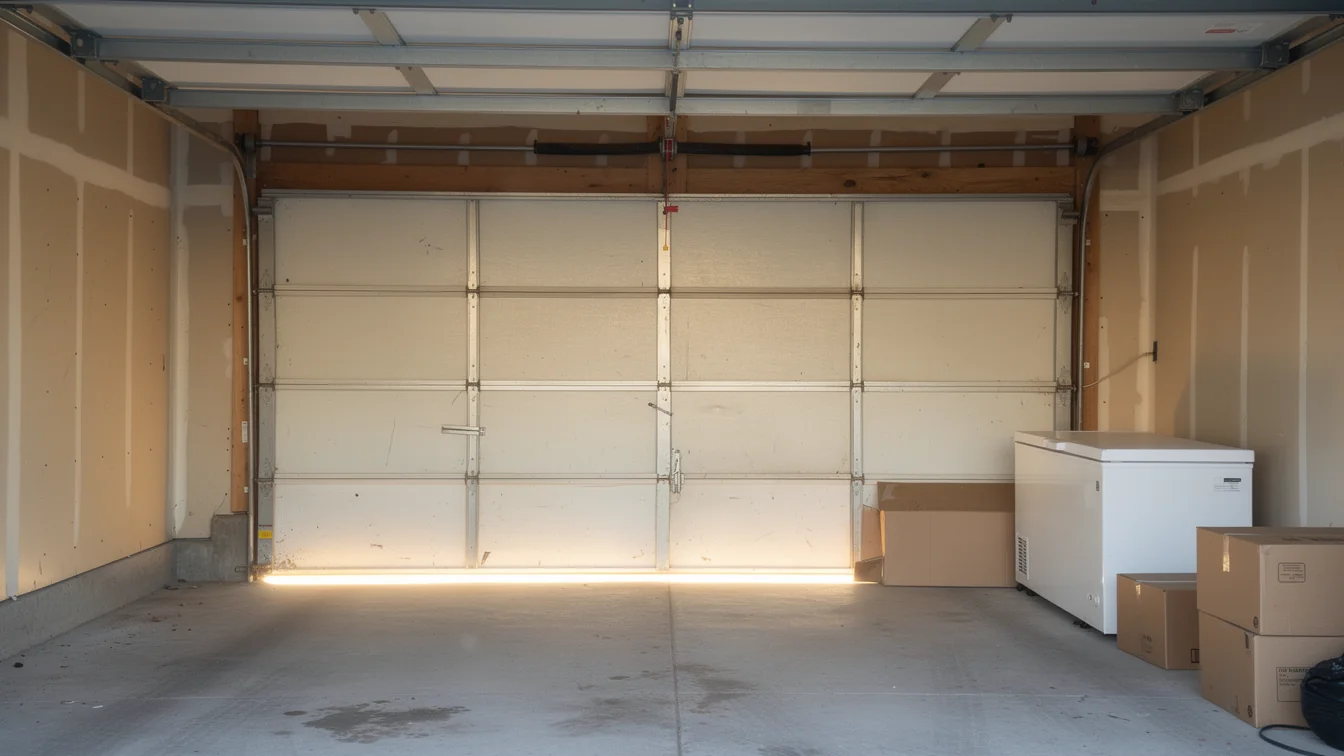
Most Owensboro homes near Masonville and Lewisport went up between 1962 and 2008, built to codes that predate today's insulation and wind-load standards.
Read more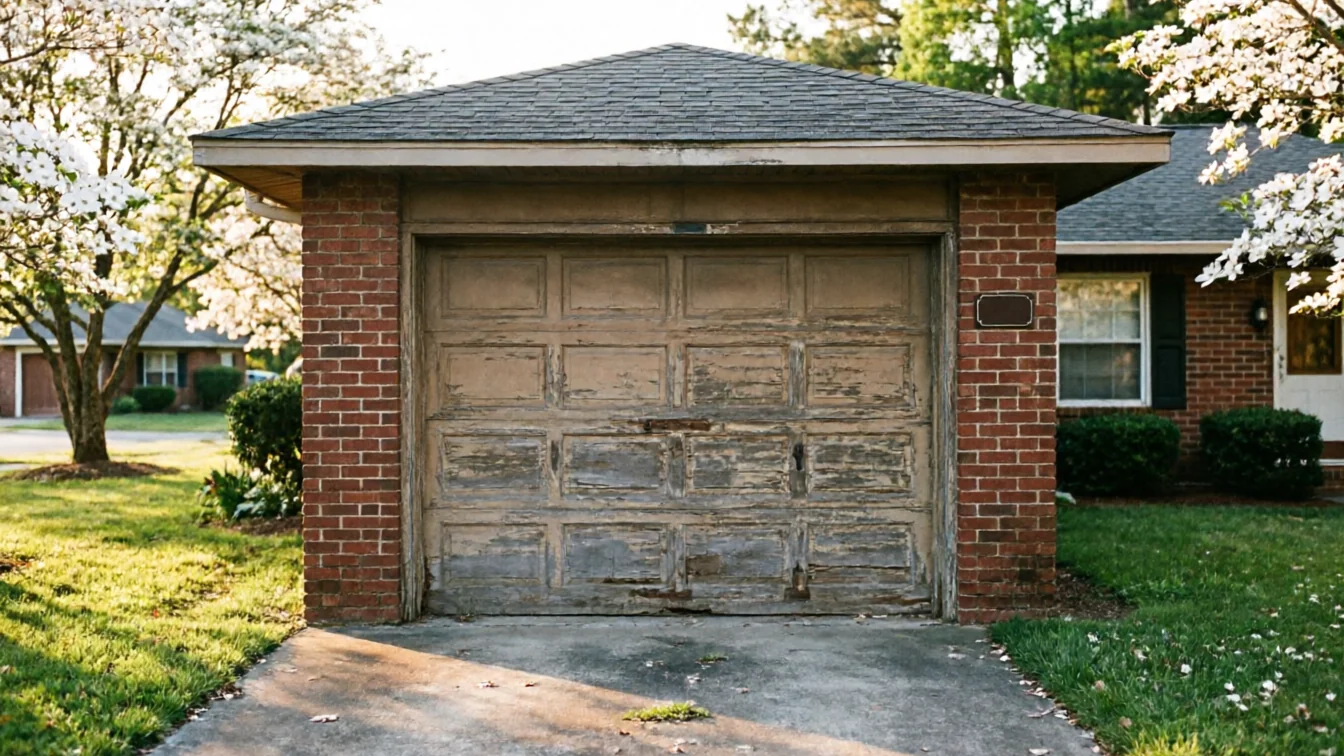
Most Owensboro homes date to 1976.
Read moreReady when you are
Owensboro Garage Door Pros repairs and installs garage doors, springs and openers in Owensboro, KY and the surrounding area.