
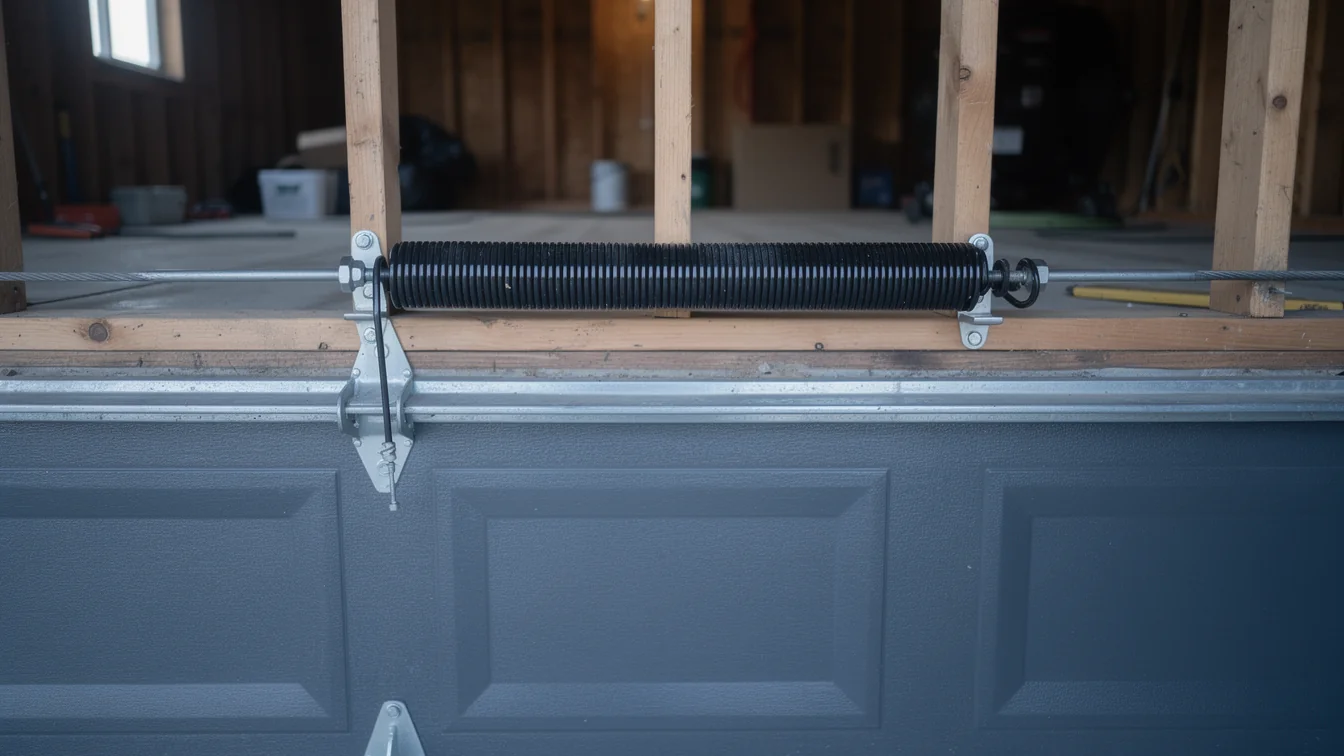
Why Your Spring Picked the Coldest Week to Snap
Why Owensboro's 1960s-70s housing stock and cold winters push torsion springs to fail now, and what actually drives the repair cost for these older doors.
Read moreMost Owensboro homes carry openers from the 1962-2008 building years, and this area's cold winters make power-cut failures worse. Here's what actually happens and why.
Local detail
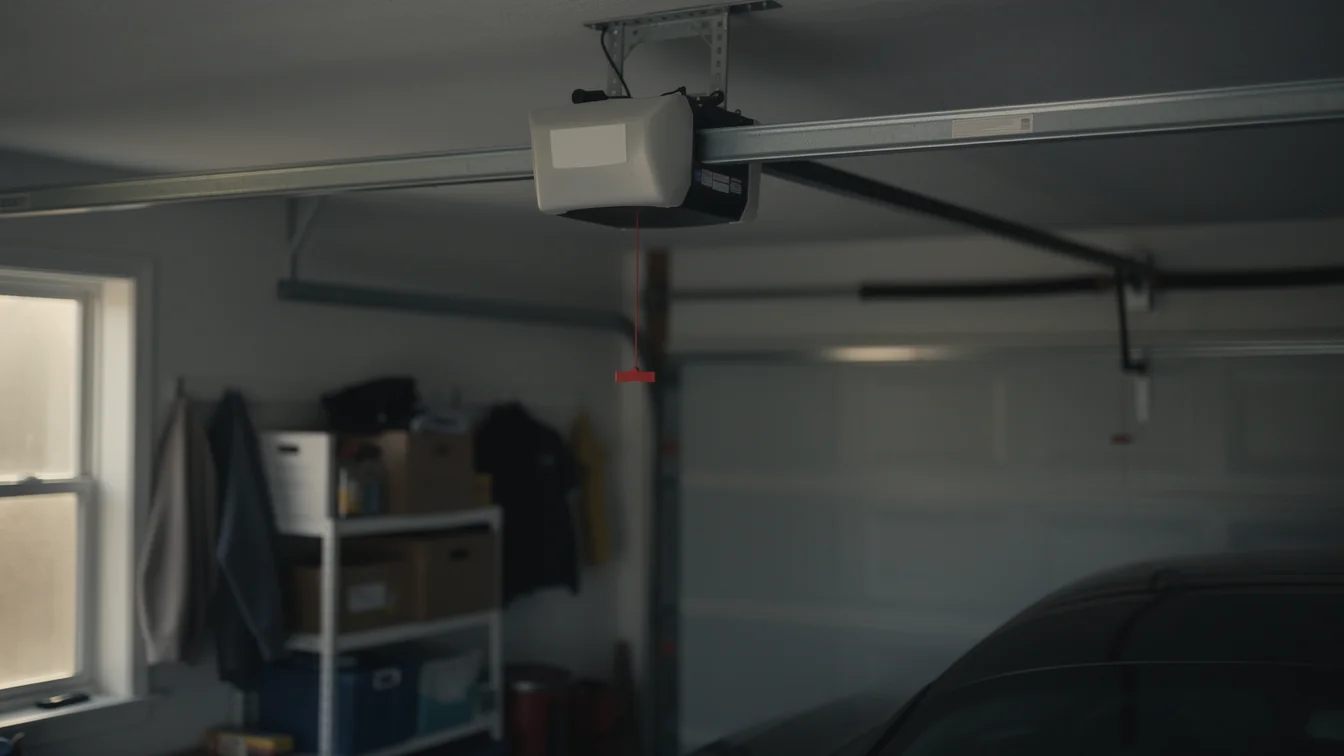
The mistake we see most is homeowners treating a power outage like it's the whole problem. It isn't. Housing in this service area mostly went up between 1962 and 2008, with the median landing around 1976, which means the opener bolted to the ceiling is often not the original unit - it's a second or even third replacement, installed on wiring and a header that were never upgraded along with it. When the power goes out, people pull the manual release, get the door open or closed by hand, and assume that's the end of the story. It usually isn't. The outage is what exposes a drive gear that was already stripped, a capacitor that was already weak, or a travel limit that was already drifting. The power cut doesn't cause the failure. It just removes the one thing - the motor doing all the work - that was covering for it. If your opener struggles the moment the power comes back on, that's not bad luck. That's an opener that was already on its way out before the lights flickered.
The area
We're not going to put a number here we can't back up, because what you pay depends on what's actually failed - a logic board, a capacitor, a drive gear, or the whole unit. What we can tell you is what drives the decision. At a median household income of $51,847 across this area, most people we talk to want the repair option explored before they agree to a full replacement, and that's a fair instinct. An opener from the 1960s-70s stock that's original to the house is usually past the point where parts exist for it; one installed in the 1990s or 2000s often just needs a board or a capacitor. The honest limitation here: once a chain-drive unit from that older stock starts grinding under load, we'd rather tell you to replace it than keep billing you for patches that won't hold through another winter. That's not an upsell - it's us not wanting you to pay twice.
What we find
This is a cold moderate climate, and that changes how openers fail compared to a milder one. Grease in an old drive gear thickens as temperatures drop, which makes the motor work harder on every cold-morning cycle - and a motor working harder draws more current, which is exactly what trips a breaker or burns out a capacitor during the kind of cold snap that also tends to knock the power out. So the two problems arrive together, not by coincidence. With 1,996 households in the service area and 1,390 of those owner-occupied houses, a lot of the calls we get after a cold outage are from owners, not renters - people who own the garage and the problem both. Add in that most openers around here are running on hardware installed decades after the house itself, and you've got a system that was never designed as one piece, which is where the weak points live.
How we work
Across the stock that went up in the 1960s and 70s - still the bulk of what's in this area - garages were built with steel panels and hardware that weren't engineered with insulated openers or battery backup in mind, because those weren't standard yet. Cold moderate winters mean the steel contracts, door balance shifts slightly season to season, and an opener has to pull a little harder in January than it did in July. None of that is dramatic on its own. It adds up over forty-plus years, which is roughly the span from the median build year of 1976 to now. If you're out toward Masonville, Lewisport, or Calhoun, the same build-era pattern holds - it's not a problem specific to one street, it's a problem specific to the decade most of these doors went up in.
Questions
Usually because something was already marginal before the outage - a weak capacitor, a drifting limit switch, a drive gear with worn teeth. The power cut just stops the motor from compensating. When power returns, the opener has to start cold under full load, which is when a part that was barely holding on finally gives out.
Depends on the unit. Most houses here were built between 1962 and 2008, so openers range widely in age. If yours is original to a 1960s or 70s-built house, parts are likely unavailable and replacement makes more sense. If it's newer, a board or capacitor repair is often enough.
Yes. This is a cold moderate climate, and grease in the drive mechanism thickens as temperatures drop, making the motor pull more current on every cycle. That extra strain is exactly what tends to surface weak capacitors or worn gears during winter.
Recommendation
More garage door guides for Owensboro homeowners.
Why Owensboro's 1960s-70s housing stock and cold winters push torsion springs to fail now, and what actually drives the repair cost for these older doors.
Read more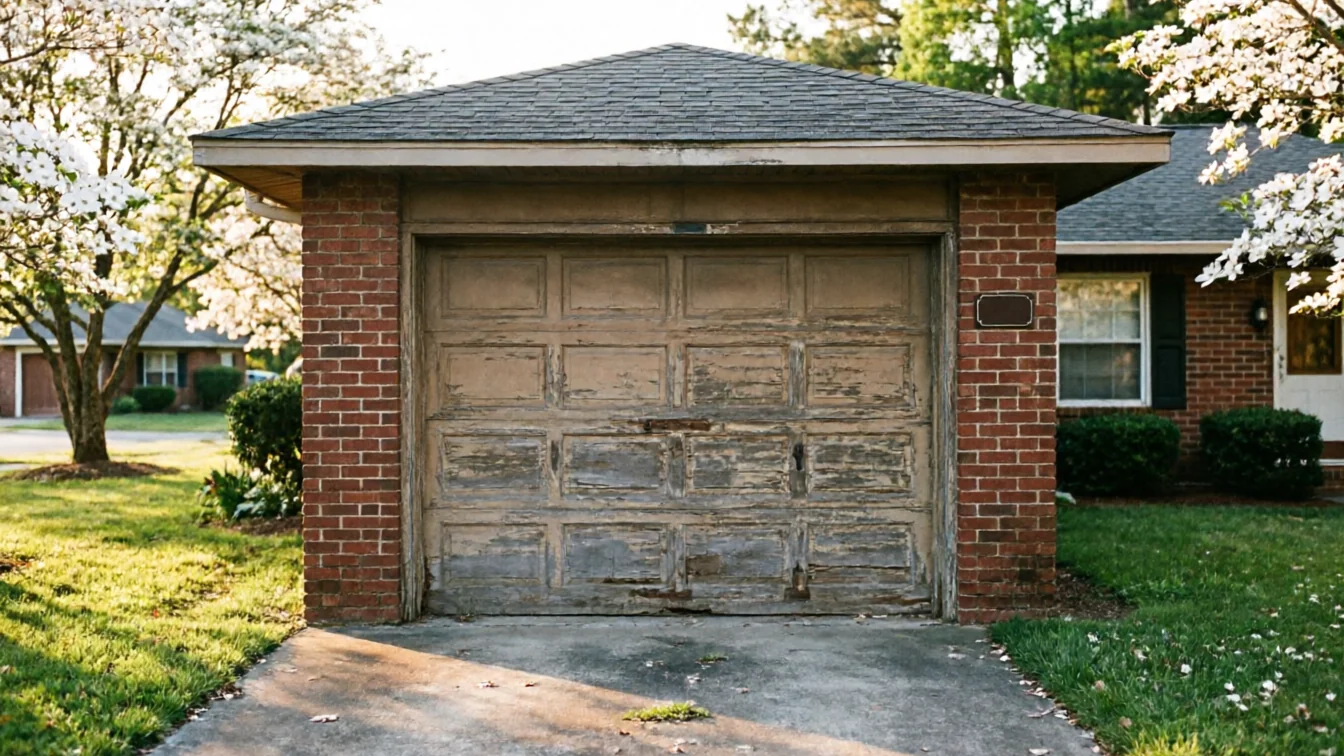
Most Owensboro homes date to 1976.
Read more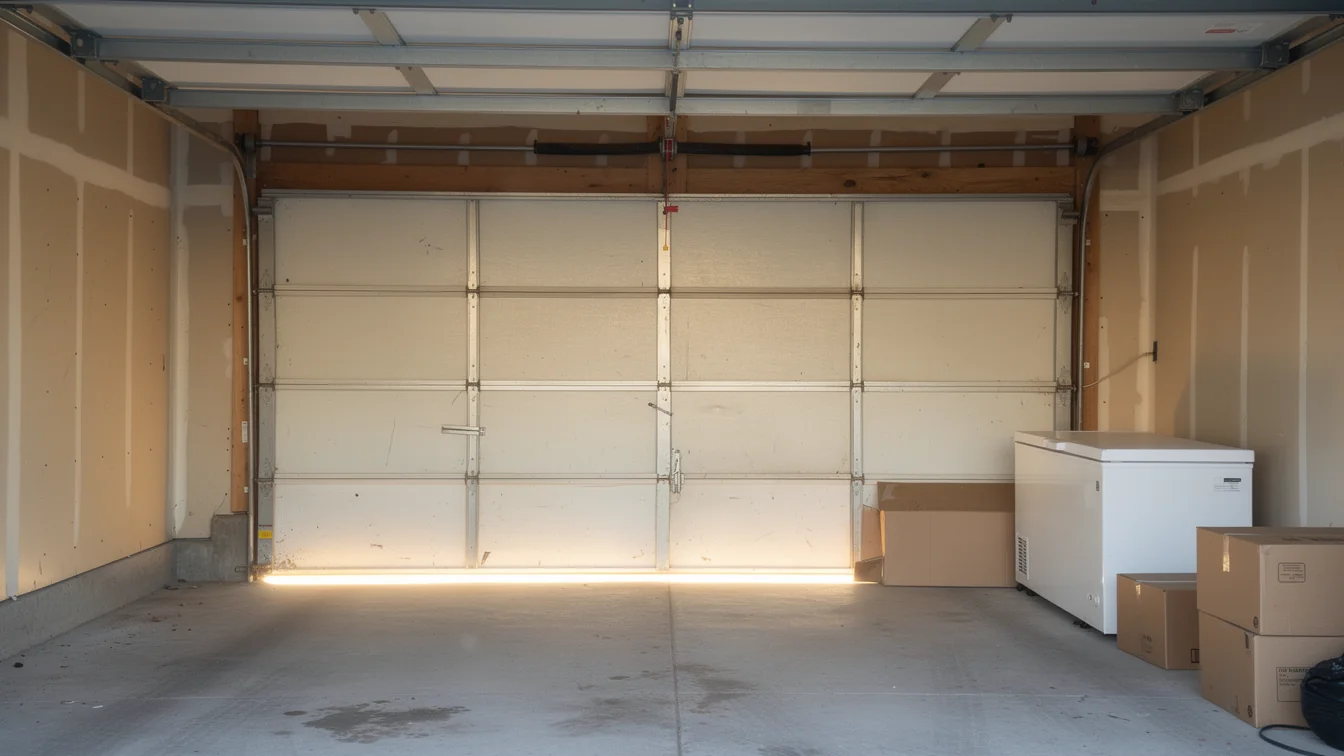
Most Owensboro homes near Masonville and Lewisport went up between 1962 and 2008, built to codes that predate today's insulation and wind-load standards.
Read moreReady when you are
Owensboro Garage Door Pros repairs and installs garage doors, springs and openers in Owensboro, KY and the surrounding area.